Research

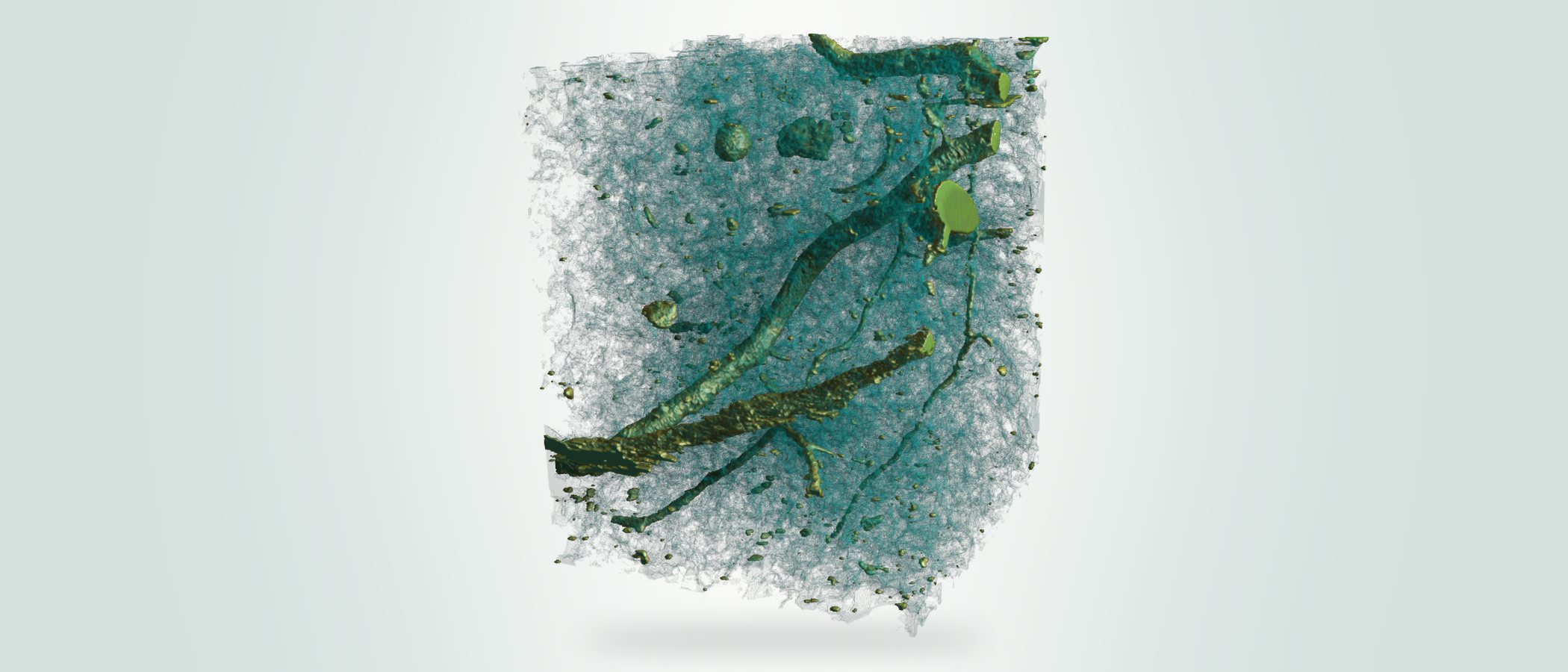
Micro-CT render of roots and pores in soil

Soil structure and carbon under changing precipitation

How do droughts and extreme rainfall change the way soils store carbon? We trace these effects from pores to field plots, using X-ray and synchrotron imaging to map soil structure and carbon at the microscale, and stable isotope labeling to follow photosynthetic carbon through the plant–soil–microbiome system.
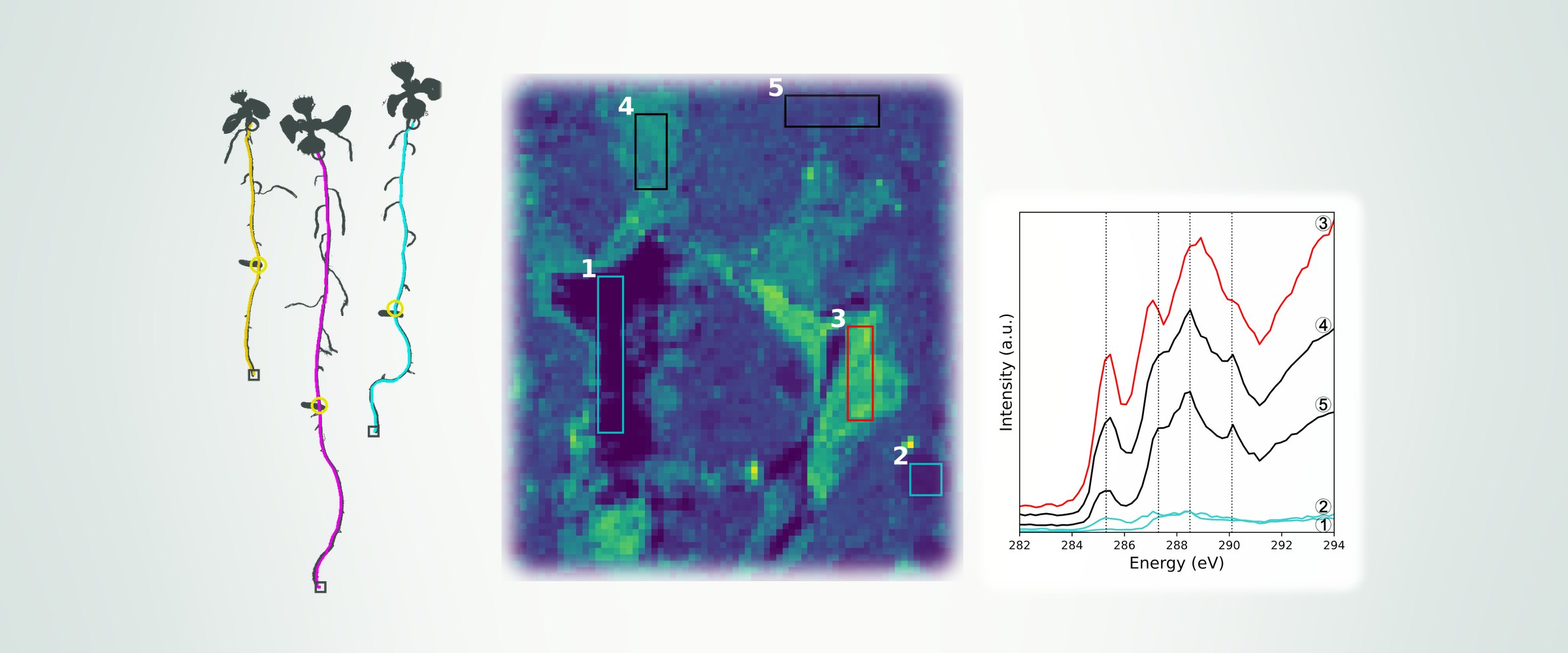
Arabidopsis seedlings with traced roots, a soil carbon map from X-ray spectromicroscopy, and carbon spectra

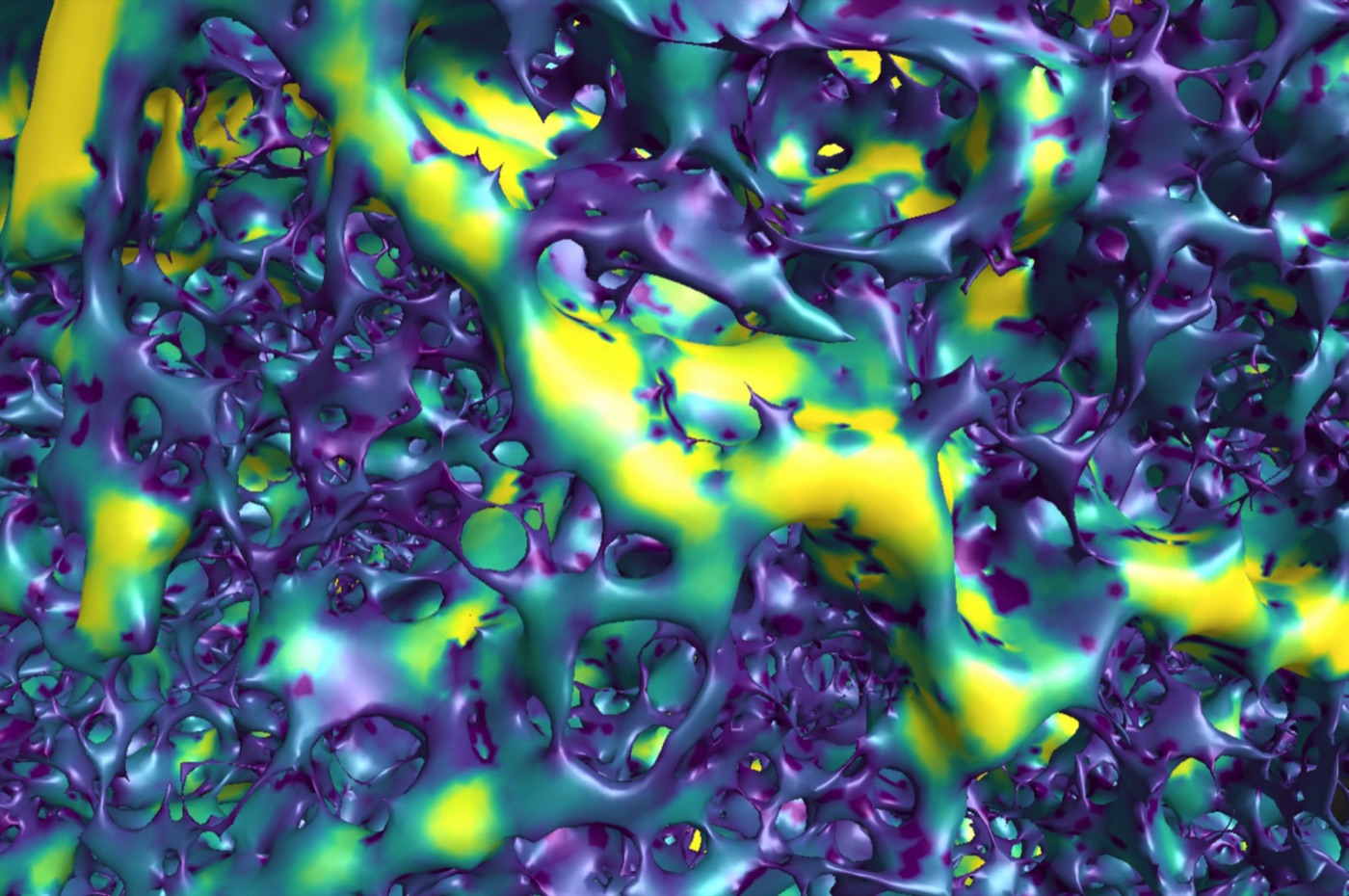
Linking plant phosphate uptake to soil carbon dynamics

How do plants regulate root foraging in soil pore structure, and how does this affect carbon persistence? Plants adjust root growth to reach phosphorus-rich zones in soil. We connect plant genetics and molecular signaling to how roots grow through real soil pore networks, combining 3D root and rhizosphere imaging with ¹³C labeling to trace effects on microbial activity and carbon persistence.

Micro-CT render of a soil pore network

Soil-on-a-chip: microbial habitats in pore networks

How do pore size, geometry, and connectivity shape where bacteria live and how active they are? Bacteria in soil live in microenvironments defined by pore size, geometry, and connectivity. We design microfluidic chips based on real soil pore architecture and use microscopy to track bacterial activity across them, testing which pore structures bacteria favor and how this links to carbon cycling.

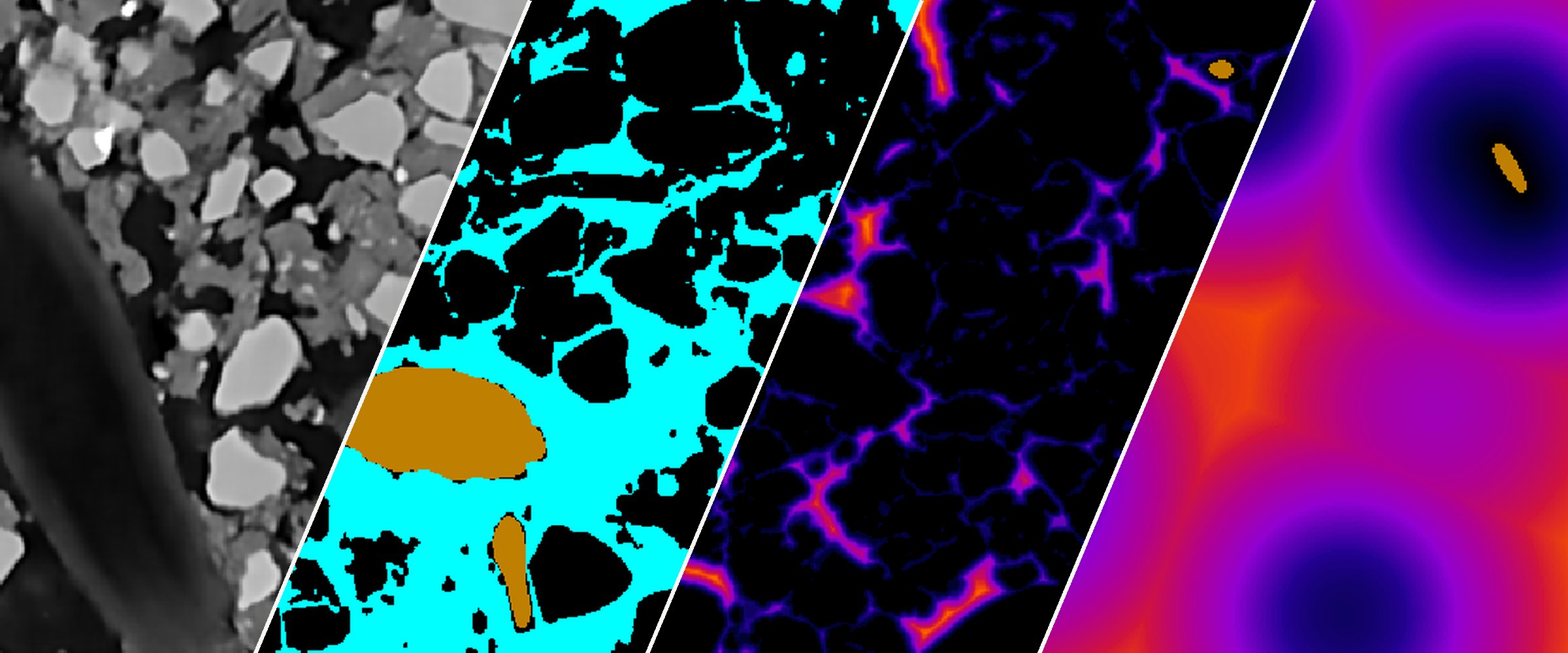
Micro-CT slice of soil shown in four image-processing stages

Microplastics in agricultural soils

How do microplastics move, accumulate, and interact within agricultural soils? We image them in three dimensions with X-ray microtomography and use deep learning-based image analysis to locate and quantify them in soil.